🌿 Aromatherapy, essential oils and animal welfare 🌿
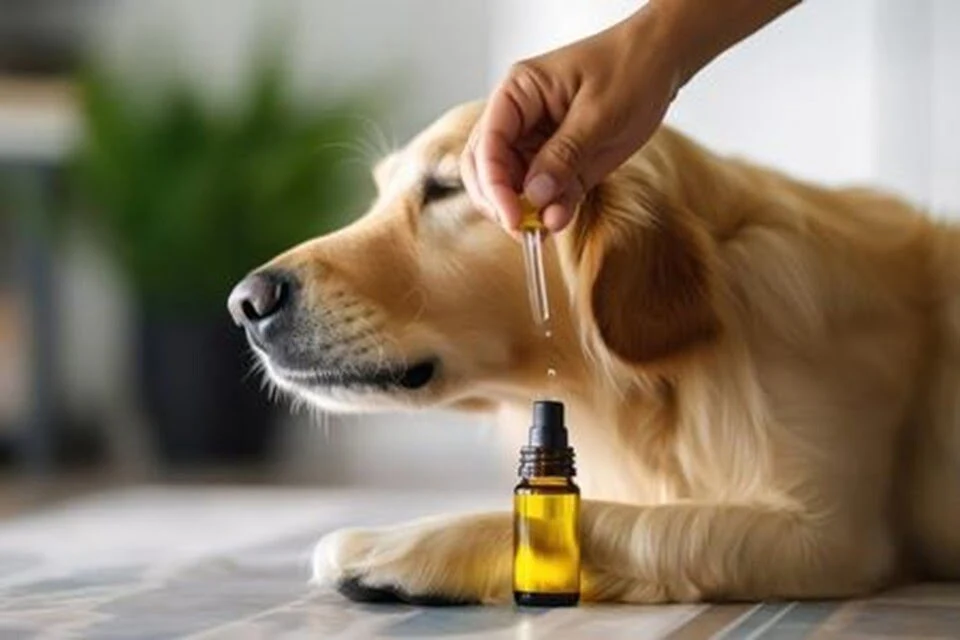
Animal aromatherapy is a natural method that contributes to the well-being of your companions. However, its use requires great caution and a good understanding of essential oils, taking into account the specific needs of each animal..
To help you use essential oils safely with your animals, we offer tailored advice and recommendations. You will discover the best practices to adopt, the precautions to take, and the benefits that these natural essences can bring to your companions.
⚠ It is essential to consult a veterinarian for any therapeutic treatment!
Essential oils can be used to treat various health issues in your pets, whether they are dogs, cats, horses, or rabbits. They are effective in eliminating fleas and other parasites, improving the appearance of the coat, healing wounds, and soothing joint pain, for example..
However, before using essential oils for your pets, it is essential to keep in mind that their sense of smell is much more developed than ours. For example, a dog's sense of smell is about 20 times more sensitive. Thus, the aromas may seem much more intense to them. It is also crucial to respect the appropriate dosages of essential oils, taking into account your pet's weight. Avoid increasing the doses or multiplying the treatments with essential oils, as this can be harmful to their health..

https://lesanimauxdufutur.fr/repulsifs-naturels-pour-chats-remedes-de-grand-mere-efficaces/
https://www.mouss-le-chien.com/conseils/proteger/aromatherapie.html

https://ravene.com/blog/largile-pour-les-sabots-des-chevaux/
Here is a table presenting some essential oils (non-exhaustive list) that can be used on different animal species (horses, dogs, cats, rabbits, birds, etc.), but always with caution. Some oils are toxic to certain species, particularly cats, which are very sensitive to aromatic compounds. It is therefore recommended to consult a veterinarian or a specialist in animal aromatherapy before any use.
|
Essential oil |
Main properties |
Indications and uses |
|
Basilica |
Antispasmodic, anti-infective |
Relief from digestive disorders, abdominal cramps |
|
Cinnamon |
Antibacterial, antiparasitic, antiviral |
Intestinal infections, warts, natural dewormer (to be used with caution) |
|
Atlas Cedar |
Anti-inflammatory, insect repellent, antiparasitic |
Repellent against parasites, joint support, skin care |
|
Lemongrass |
Insect repellent |
Protection against midges, mosquitoes, fleas and ticks |
|
Clove |
Antiseptic, analgesic |
Treatment of fungal infections, relief of dental pain |
|
Spotted Gum |
Bactericidal, antifungal, immunostimulant |
Respiratory problems, stimulation of the immune system |
|
Rose geranium |
Antibacterial, antifungal, anti-inflammatory |
Skin infection care, soothing of irritations |
|
Italian helichrysum |
Healing, anti-bruising, circulatory |
Wound care, bruises and contusions |
|
True lavender |
Antispasmodic, healing, soothing |
Stress, nervousness, wound healing, relief of itching |
|
Peppermint |
Pain relief through cooling, antispasmodic |
Motion sickness, indigestion, muscle pain |
|
Ravintsara |
Antiviral, antibacterial, immunostimulant |
Strengthening the immune system, respiratory infections |
|
Rosemary with cineole |
Expectorant, mucolytic, antiseptic |
Helps with respiratory conditions, natural decongestant |
|
Rosemary verbenone |
Liver protector |
Liver support and detoxification |
|
Tea tree (Tea tree) |
Antiseptic, immunostimulant, antiparasitic |
Skin infection care, antiparasitic action, wound disinfection |
⚠The precautions to be observed before any use :
Just like for humans, the use of essential oils in animals requires great caution. Here are some essential rules to follow to ensure their safety and well-being. :
Carefully follow the usage recommendations, ensuring that you adhere to the specific doses and contraindications. It is wise to conduct an allergy test before use. Each essential oil has its own properties, and incorrect application can lead to undesirable effects..
Never use essential oils on animals under 3 months old or on pregnant or nursing females. Their bodies are particularly vulnerable to certain compounds, so it is important to avoid any risk of poisoning or hormonal disruption..
Animals suffering from specific illnesses, such as epilepsy, asthma, or allergies, should not be exposed to essential oils. Some oils may exacerbate these conditions due to their molecular or allergenic effects..
Never administer essential oils by injection, whether diluted or not, via intravenous, intramuscular, or subcutaneous routes. Any attempt at injection could lead to serious, even fatal, reactions..
Avoid all contact with the eyes, ears, or mucous membranes. Essential oils, even when diluted, can cause severe irritation and damage to these sensitive areas. If accidental contact occurs, act immediately to minimise risks by applying vegetable oil.
The use of essential oils should be time-limited. Prolonged treatments can be harmful. A few days of treatment are usually sufficient to observe positive effects, and it is always better to take a break between courses..
Never force your pet to tolerate an essential oil with a scent that they find unpleasant. Your companion's well-being is paramount: respect their reactions and comfort. If an oil seems too intense for them, it is better to choose a gentler alternative..
If in doubt or uncertainty, consult your veterinarian before using an essential oil. Each animal is unique and may react differently to certain products. A professional assessment ensures a safe and suitable treatment for their needs..
🌿 Your four-legged companion plays an essential role in your life. Provide them with natural care, but always with discernment and caution to preserve their health and balance..
Bibliography
Baudoux, D. (2017). Veterinary Aromatherapy: Treating Animals with Essential Oils. Amyris Editions.
Guillemain, P. (2016). Essential oils for animals: advice and practical applications. Terre Vivante.
Schaller, P. (2015). Aromatherapy for Animals. Jouvence Editions.